Creating a home office that is both relaxing and productive can significantly enhance your work-from-home experience. Whether you’re setting up a new space or revamping an existing one, striking the right balance between comfort and focus is key. This guide will offer practical tips to help you design a home office that supports your best work while maintaining a calm atmosphere.
Choose the Right Location
Selecting the right spot in your home is the first step. Ideally, pick a space that is quiet, has good natural light, and is somewhat separated from high-traffic areas. This helps reduce distractions and allows you to mentally separate work and personal life.
Consider Natural Light
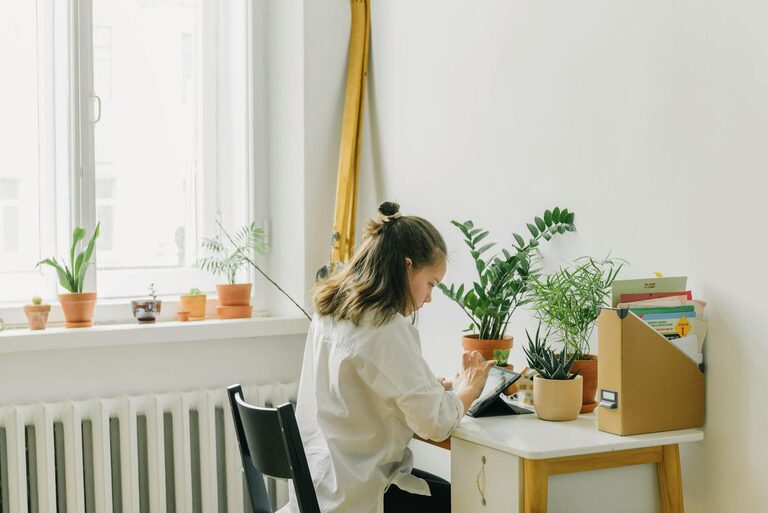
Natural light not only boosts your mood but also helps reduce eye strain. Place your desk near a window if possible, but position your screen to avoid glare. If natural light is limited, invest in a quality desk lamp that provides bright, adjustable light.
Invest in Comfortable and Ergonomic Furniture
Your home office furniture plays a huge role in your comfort and productivity. Choose a chair that offers good lumbar support and a desk at an appropriate height. Ergonomic furniture helps prevent physical discomfort and long-term issues like back pain.
– Adjustable office chair with lumbar support
– Desk with enough surface area for your work essentials
– Footrest if your feet don’t comfortably reach the floor
Declutter and Organise Your Workspace
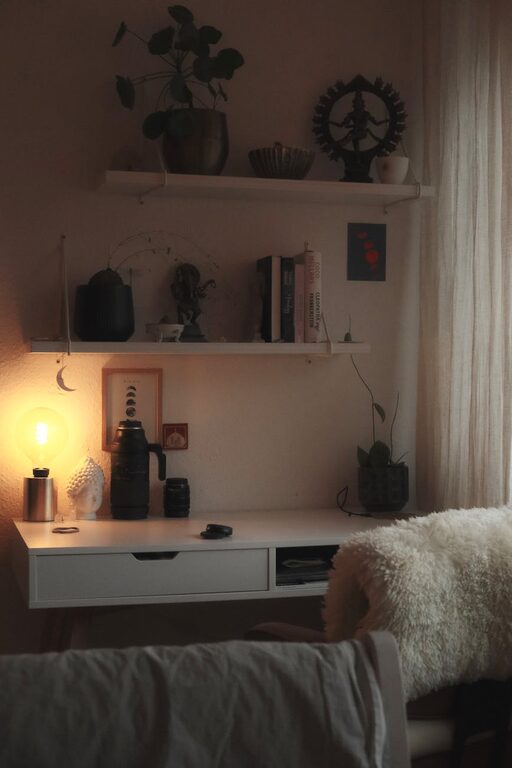
A tidy workspace promotes a clear mind and focused work sessions. Use storage solutions like shelves, drawers, and organisers to keep your desk clean.
– Keep only daily essentials on your desk
– Use cable organisers to manage wires
– Introduce filing systems or digital tools to manage paperwork
Add Personal Touches for a Calming Atmosphere
Make your workspace feel welcoming and personalised without cluttering it. Simple additions can make your office feel more relaxing.
– Indoor plants can improve air quality and reduce stress
– Artwork or photos that inspire you
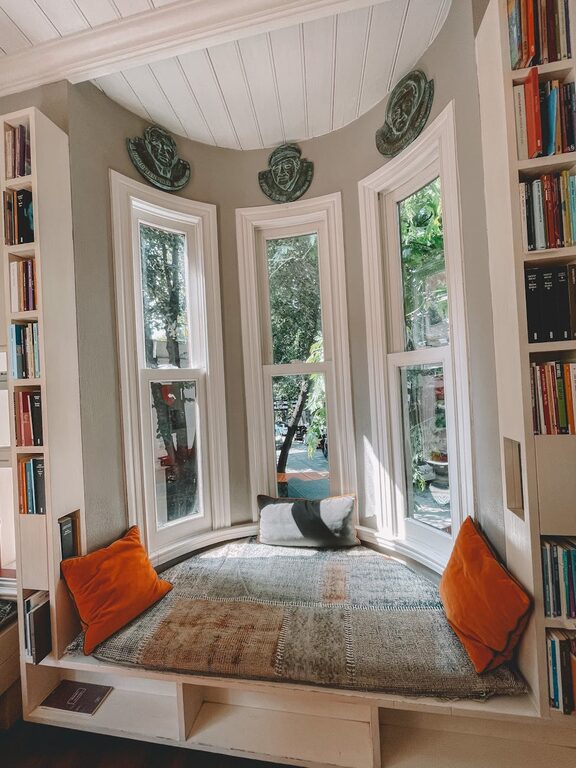
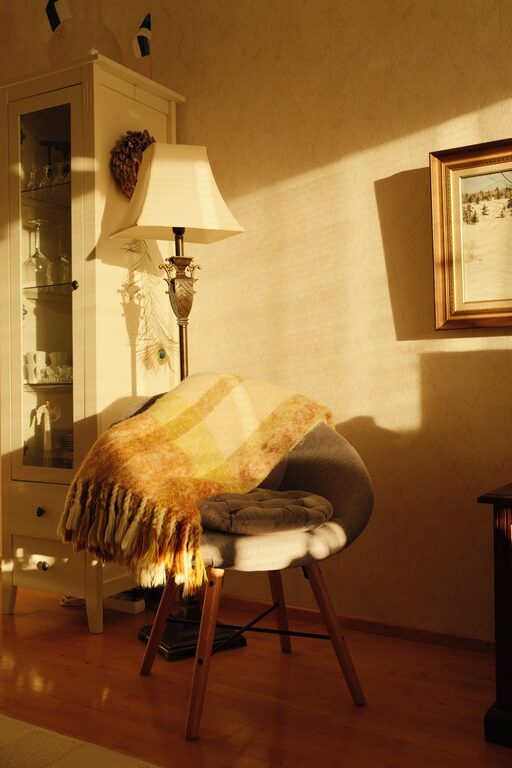
– Soft textiles like a cushion or a rug for warmth and comfort
Manage Noise Levels
Noise distractions can hinder concentration. If you don’t have a dedicated quiet room, consider these options:
– Noise-cancelling headphones
– White noise machines or calming background music
– Soundproofing materials such as carpets, curtains, or acoustic panels
Maintain a Comfortable Temperature and Air Quality
Good ventilation and a comfortable temperature are important. Ensure your office has adequate airflow and consider an air purifier if needed. Use fans or heating devices to maintain a pleasant temperature throughout the year.
Set Clear Boundaries and Routines
To stay productive, it’s important to set limits around work time and breaks.
– Establish regular working hours
– Use calendars or planners to structure your day
– Take short breaks for stretching or fresh air to maintain energy levels
Optimise Your Technology Setup
Reliable technology keeps your work flowing smoothly.
– Fast, stable internet connection
– Wireless peripherals to reduce cable clutter
– Backup solutions for your files
– Monitor stands or screen risers to position screens at eye level
Incorporate Relaxation Techniques
A relaxing environment should include ways to ease stress without leaving your workspace.
– Small spaces for quick meditation or deep breathing
– Stress-relief items like stress balls or fidget tools
– A water bottle or herbal tea to stay hydrated and refreshed
Regularly Reassess and Adapt Your Space
What works best may change over time. Regularly reflect on your workspace and make small adjustments to improve comfort and productivity.
—
Setting up a home office that blends relaxation with productivity is achievable with thoughtful planning. By focusing on location, ergonomics, organisation, and atmosphere, you can create a space where work feels less like a chore and more like a comfortable part of your day. Remember, the goal is to build an environment tailored to your needs that supports your well-being and professional goals alike.