Creating a productive home workspace is essential for anyone who works remotely or spends significant time on tasks at home. A well-designed area can enhance focus, reduce distractions, and promote comfort. Everyone’s lifestyle and needs differ, so personalising your workspace is key. This guide offers practical advice to help you build a home office that works for you.
Assess Your Needs and Lifestyle
Before setting up your space, consider your daily routine, work habits, and the type of work you do. Ask yourself:
– How many hours will I spend here each day?
– Do I need room for multiple monitors or equipment?
– What times of day am I most active or focused?
– Will I need space for meetings or calls?
Understanding your specific requirements helps you choose the right area and equipment. For example, if you have video calls often, a well-lit, quiet spot is crucial.
Choose the Right Location
Finding an ideal spot can have a big impact on productivity.
Tips for Selecting Your Workspace
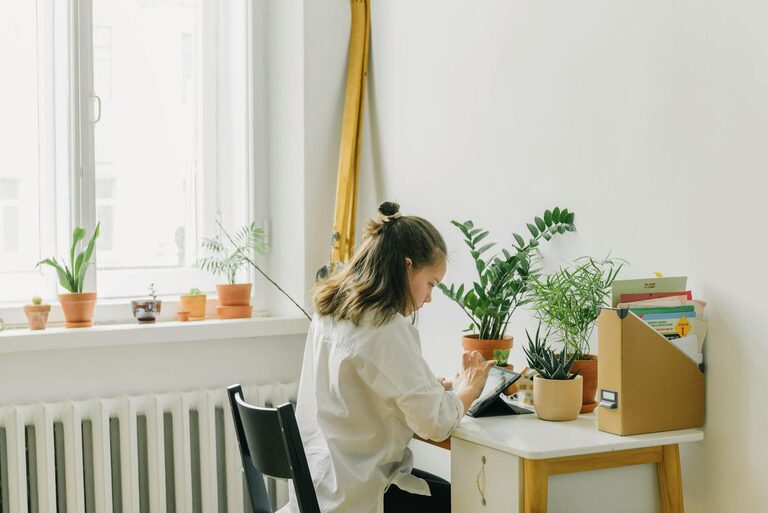
– Natural Light: Position your desk near a window if possible, as daylight improves mood and alertness.
– Quiet Area: Choose a location away from high-traffic zones to limit interruptions.
– Space Availability: Ensure enough room for your desk, chair, and any other necessary items.
– Temperature and Ventilation: A comfortable climate helps maintain focus.
If space is limited, consider multi-purpose areas or creative solutions like fold-away desks.
Invest in Ergonomic Furniture
Comfort goes hand in hand with productivity. Investing in ergonomic furniture reduces strain and fatigue.
– Chair: Select an adjustable chair with lumbar support.
– Desk: Choose a desk at the proper height or consider a sit-stand desk.
– Monitor Placement: Position screens at eye level to prevent neck strain.
– Keyboard and Mouse: Opt for ergonomic designs to avoid repetitive strain injuries.
Even small improvements to your setup can make long working hours more bearable.
Organise and Declutter
A tidy space can help clear your mind and improve efficiency.
Tips to Stay Organised
– Use desk organisers for stationery and supplies.
– File documents regularly to avoid clutter.
– Keep only essentials on your desk.
– Use shelves or storage boxes to manage paperwork.
Digital organisation is equally important. Back up files regularly and keep your computer desktop clear.
Personalise Your Workspace
Adding personal touches makes your work area inviting and encourages motivation.
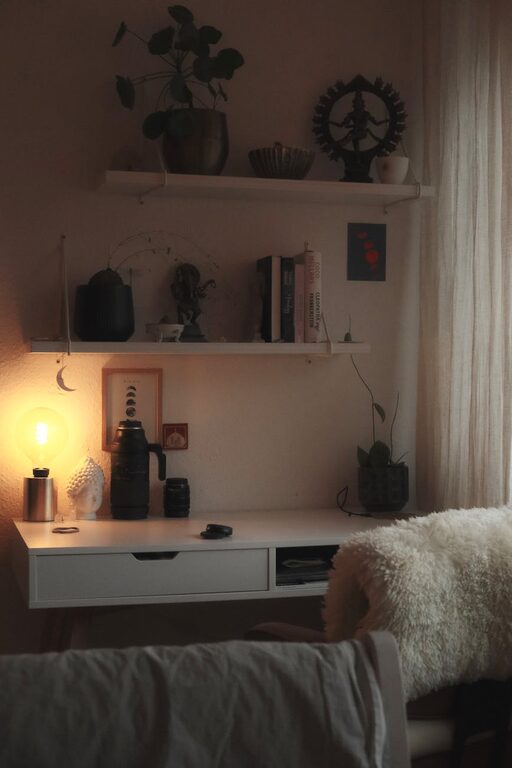
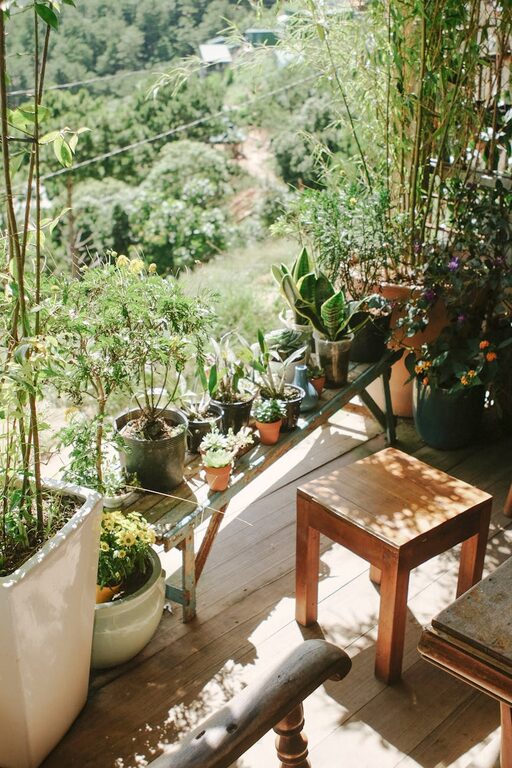
– Decorate with plants to improve air quality and create a calming atmosphere.
– Use artwork or photos that inspire you.
– Choose colours that suit your mood—bright tones for energy, muted for calm.
– Select accessories that reflect your style but avoid overcrowding.
Balancing functionality with personality helps you enjoy your workspace every day.
Manage Lighting Effectively
Good lighting reduces eye strain and maintains alertness.
– Combine natural light with adjustable artificial lighting.
– Use desk lamps for task lighting.
– Avoid glare on screens by positioning monitors perpendicular to windows.
– Consider warm or cool light bulbs depending on your preference.
Minimise Distractions
Creating boundaries is vital, especially if others live with you.
– Inform household members of your work hours.
– Use noise-cancelling headphones if needed.
– Turn off non-work notifications during focus time.
– Set clear start and end times for work to maintain balance.
Incorporate Break Areas
Having a nearby spot to rest briefly can refresh your mind.
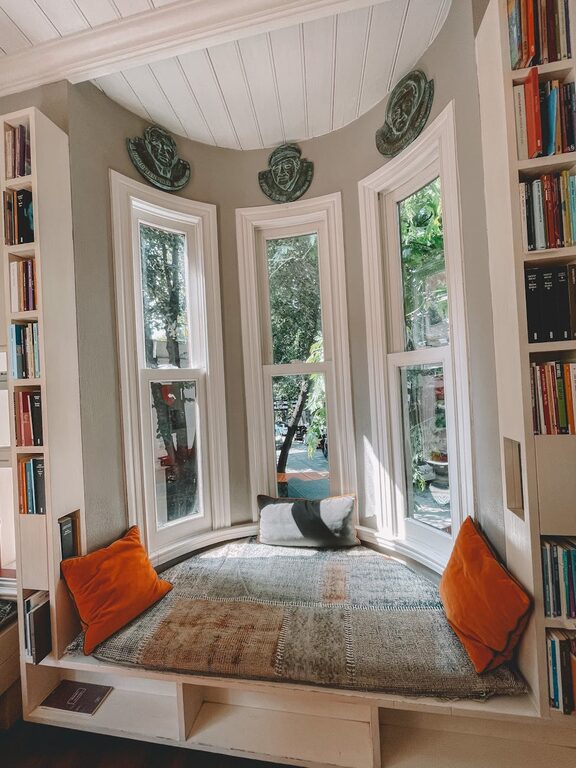
– Include a small armchair or cushions.
– Step outside for fresh air and a change of scenery.
– Use breaks to stretch and move around.
Taking regular breaks prevents burnout and supports sustained productivity.
Regularly Review and Adjust Your Workspace
Your needs may change over time. Periodically evaluate your setup:
– Is your chair still comfortable?
– Is the lighting sufficient year-round?
– Are you facing new distractions?
– Have your work tasks evolved?
Make improvements as necessary to keep your workspace efficient and pleasant.
—
Designing a home workspace that matches your lifestyle and meets your needs is a worthwhile investment. By considering your environment, comfort, and organisation, you can create a space that supports concentration and well-being. Remember, the best workspace is one that feels both productive and welcoming to you.