
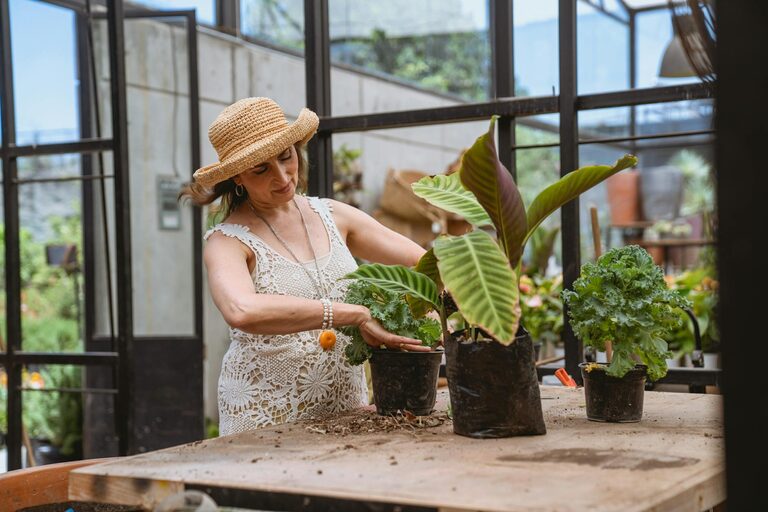
Creating a sustainable and eco-friendly home garden is a rewarding way to nurture the environment and enjoy fresh, homegrown plants. Whether you have a small balcony or a sizeable backyard, adopting green gardening practices benefits biodiversity, conserves resources, and reduces waste. This guide offers practical tips to help you design and maintain a garden that supports nature while being beautiful and productive.
Plan with Sustainability in Mind
Before you start digging, take some time to plan your garden with sustainability at the core.
– Choose native plants: Native species are well adapted to your local climate and soil, requiring less water and fewer chemicals. They also support local wildlife such as bees, butterflies, and birds.
– Consider plant diversity: Mixing different types of plants increases biodiversity, improves soil health, and reduces the risk of pests.
– Observe your site: Pay attention to sunlight patterns, wind direction, and existing vegetation to place plants where they will thrive naturally.
Use Eco-Friendly Gardening Materials
The materials you use can impact your garden’s sustainability.
– Opt for organic soil and fertilisers: Avoid synthetic chemicals and choose compost, well-rotted manure, or certified organic fertilisers.
– Reuse and recycle: Use reclaimed wood for raised beds or garden borders, repurpose containers for pots, and recycle plastic pots where possible.
– Natural mulches: Apply bark, straw, or leaf mulch to retain moisture, regulate soil temperature, and prevent weeds without chemicals.
Save Water with Smart Irrigation
Water conservation is essential for an eco-friendly garden.
– Harvest rainwater: Use barrels to collect rain from roofs that can be used for watering plants.
– Water wisely: Early morning or late evening watering reduces evaporation. Use drip irrigation or soaker hoses to target roots efficiently.
– Choose drought-tolerant plants: Select plants that require less water once established, such as lavender, sedum, or sage.
Promote Healthy Soil Naturally
Healthy soil is the foundation of a sustainable garden.
– Compost kitchen scraps and garden waste: Compost enriches the soil with nutrients, reduces food waste, and improves soil structure.
– Avoid chemical pesticides and herbicides: These can harm beneficial insects and soil organisms.
– Use cover crops: Planting legumes or clover can fix nitrogen in the soil, enriching it naturally and preventing erosion during winter.
Encourage Wildlife and Pollinators
An eco-friendly garden supports local ecosystems.
– Create habitats: Provide bird feeders, insect hotels, and log piles to encourage biodiversity.
– Plant pollinator-friendly flowers: Bees, butterflies, and other pollinators thrive on flowers like foxgloves, marigolds, and sunflowers.
– Avoid chemicals: As mentioned, pesticides harm pollinators. Instead, try natural pest control methods.
Grow Your Own Food Sustainably
Home-grown vegetables and herbs reduce the environmental footprint of food transport and packaging.
– Use companion planting: Some plants grow better together, repelling pests or improving soil nutrients. For example, plant basil near tomatoes.
– Rotate crops each season: Crop rotation prevents soil nutrient depletion and reduces disease build-up.
– Save seeds: Collect seeds from healthy plants to grow next season, reducing the need to buy new ones.
Maintain Your Garden Responsibly
Regular maintenance helps keep your garden sustainable.
– Weed naturally: Hand-pull weeds early to prevent seeding, avoiding herbicides.
– Prune carefully: Proper pruning encourages healthy growth and plant longevity.
– Manage garden waste responsibly: Compost plant trimmings or use them as mulch rather than burning or sending to landfill.
Conclusion
Creating a sustainable and eco-friendly garden is about making thoughtful choices that benefit both your green space and the wider environment. By selecting native plants, saving water, enriching your soil naturally, supporting wildlife, and growing your own food carefully, you contribute to a healthier planet. Enjoy the process of cultivating your garden, knowing it’s a positive step towards sustainability.